PFConsult

AI product development

Build AI into your product - without building the wrong thing first.

I help small and mid-sized software companies with an engineering team, but no internal ML team, find worthwhile AI use cases, build them, and measure whether they create real value.

How we work

A staged investment, not an open-ended AI bet

Each stage answers a different question and ends with a decision: proceed, change the hypothesis, or stop. I stay hands-on from the first prototype to the live product experiment.

01

A few working sessions

Product discovery

Where could AI create enough value to justify an experiment?

We review your product, users, critical workflows, available data, and commercial goals. Together we select one promising hypothesis and define how its value can be measured before development begins.

Decision gate: Start only when the use case, evidence, and next decision are clear.

What you get

  • Selected use case and rationale
  • Success metrics and stopping rule
  • PoC-to-MVP roadmap
  • Scope, timing, and commercial proposal
02

Up to 3 weeks after access is ready

Proof of concept

Can the idea work with your real data and systems?

I personally build a focused internal demo. It is deliberately small: the purpose is to expose technical constraints and test the core assumption before paying for product integration.

Decision gate: If the core idea cannot be demonstrated in the agreed window, we revisit the assumption instead of extending the project on optimism.

What you get

  • Working internal demonstration
  • Technical feasibility evidence
  • Known risks and constraints
  • Recommendation to proceed, reframe, or stop
03

First live test in about 1 month; plan for 3 months

Integrated product MVP

Does the feature create value for real users and the business?

I turn the validated concept into a feature inside your real product or client environment. We release it to users, measure the agreed outcome, and iterate. Where appropriate, that includes an A/B test; elsewhere, we use scenario success, adoption, quality, or operational metrics.

Decision gate: A negative first test is useful evidence. We continue only while results justify another meaningfully different iteration.

What you get

  • Feature integrated into the product
  • Production evaluation plan
  • Real user or workflow evidence
  • Several iterations when the first result is inconclusive
04

6+ months, when the evidence justifies it

Internal ML capability

How does the company take ownership without slowing product progress?

Once the MVP proves its value, I help build the capability inside your company while continuing to improve the product. Hiring, delivery processes, system knowledge, and technical ownership move to your team over time.

Decision gate: The goal is a capable internal team - not permanent dependence on an external consultant.

What you get

  • Role and team design
  • Candidate assessment and interviews
  • Experiment and delivery processes
  • Knowledge transfer and decreasing external dependency

Build or buy?

Not every AI need should become a development project

The right approach depends on whether AI supports your team or changes the product you sell.

Internal productivity

Buy before you build

Start with subscriptions to existing tools and a controlled experiment. I can train your team on advanced workflows and integrate those tools with internal systems when standard connectors are not enough.

AI inside your product

Prove before you scale

When AI should improve customer experience, revenue, retention, or an important product workflow, use the staged discovery-to-MVP process above before investing in a permanent team.

A horizon worth preparing for: your future customer may be an AI agent acting for a person. Agent-ready APIs, permissions, pricing, and safe transactional tools are becoming a product design question - not only an automation question.

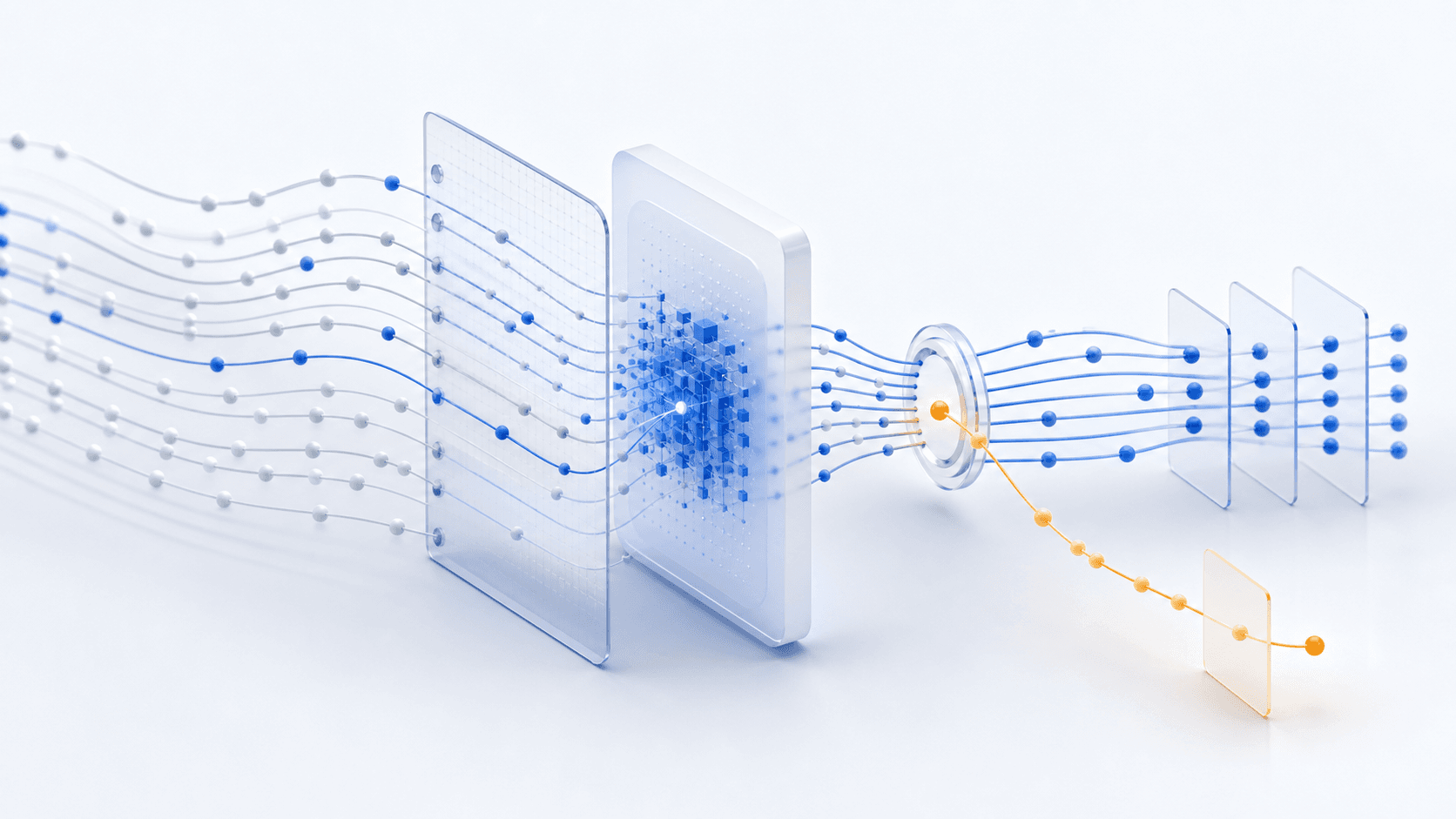
Abstract payment data streams passing through an anomaly detection system

Production ML evidence

From 30 minutes to under five

Three production iterations reduced the 95th-percentile payment incident detection time while keeping false alarms under control. The client then began building an internal data science team.

Read the case study →
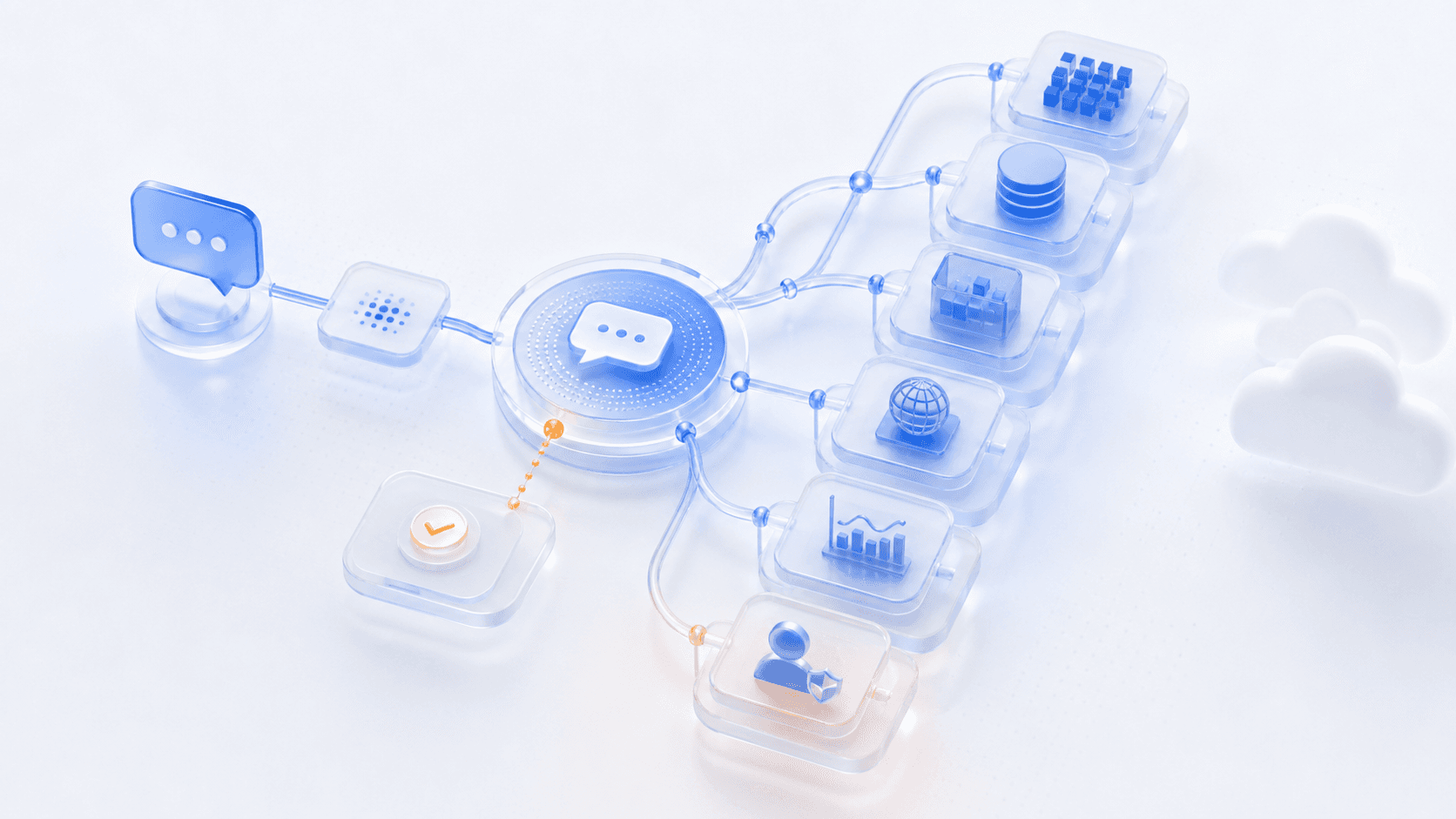
Abstract AI agent routing a user request to specialized cloud services

Product AI prototype

A working cloud agent in under a week

A rapid PoC led to a six-month internal product prototype. The final on-premise agent completed more than 90% of repetitions across every key test scenario.

Read the case study →

An honest boundary

When I do not recommend starting an AI project

Sometimes the most valuable discovery result is a decision not to build. That can save months of work and the cost of a team the company does not yet need.

  • No.There is no specific product or business problem to solve.
  • No.AI has been selected in advance, but its intended value is unclear.
  • No.Success cannot be tested with data, users, or realistic scenarios.
  • No.An off-the-shelf tool can solve the problem faster and more economically.
  • No.The evidence no longer supports another round of investment.

Start with the smallest experiment that can change a business decision

Bring your product, the problem you want to improve, and the evidence you already have. We will work out whether there is a useful AI hypothesis to test.